In a timely and forward-looking development, the Global Peace Summit (GPS) Official and the Progressive Climate Foundation (PCF) have formalized their partnership through a Memorandum of Understanding (MoU) aimed at advancing climate action in Pakistan. This collaboration brings together two purpose-driven organizations committed to addressing some of the most pressing environmental challenges facing the country, particularly in its largest metropolitan hub, Karachi.
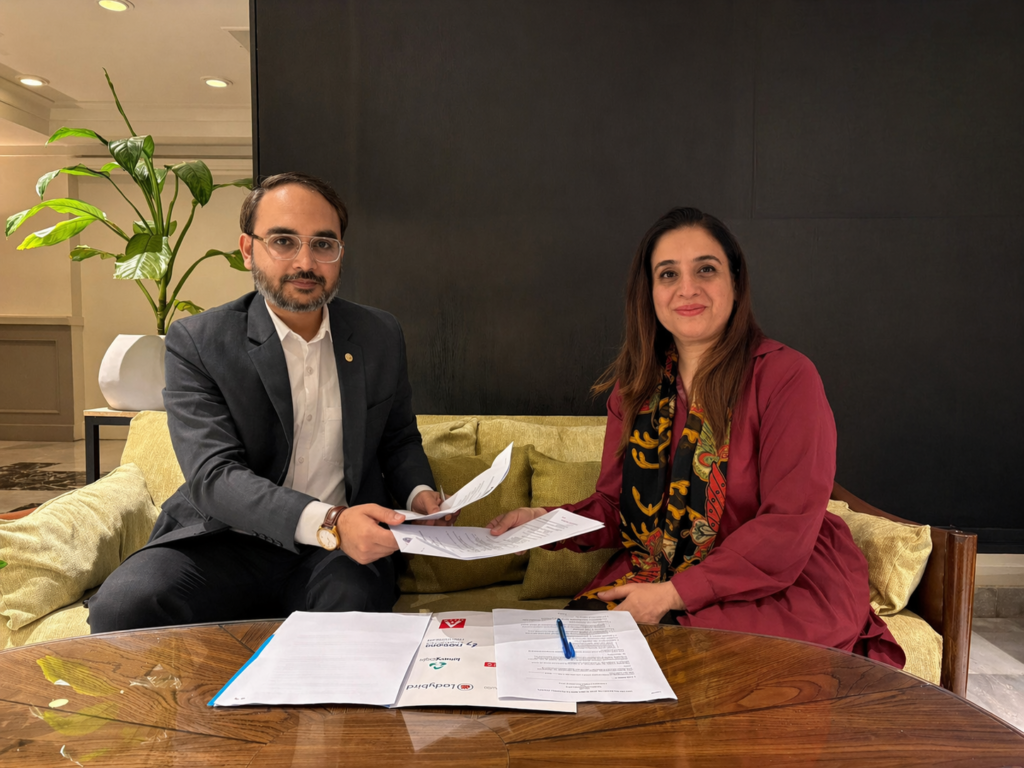
The MoU was signed on behalf of GPS by its Founder and Chairman, Mr. Shaikh Mahmud bin Ilyas, and on behalf of PCF by Ms. Humera Hashmi. The agreement outlines a shared vision to implement impactful, community-driven projects across Karachi, focusing on water treatment, rainwater harvesting, pollution reduction, and youth engagement in climate initiatives.
Why Climate Action in Pakistan Matters
Pakistan ranks among the top 10 countries most vulnerable to climate change, despite contributing less than 1 percent to global greenhouse gas emissions (Source: Global Climate Risk Index, Germanwatch). The country has faced increasingly frequent extreme weather events, including floods, heatwaves, and droughts (Source: World Bank Climate Reports on Pakistan). The devastating floods of 2022 alone affected over 33 million people and caused economic losses exceeding 30 billion US dollars (Source: Government of Pakistan and World Bank Post Disaster Needs Assessment 2022).
Karachi, Pakistan’s economic engine and home to over 20 million people, faces its own set of environmental crises (Source: Pakistan Bureau of Statistics and UN Habitat estimates). The city generates more than 12,000 tons of solid waste daily, much of which remains untreated (Source: Sindh Solid Waste Management Board). Air pollution levels routinely exceed World Health Organization safety thresholds, contributing to respiratory illnesses and reduced quality of life (Source: World Health Organization Air Quality Database). Water scarcity is another critical issue, with Karachi experiencing a shortfall of over 500 million gallons per day, forcing many residents to rely on expensive and often unsafe alternatives (Source: Karachi Water and Sewerage Corporation reports).
In this context, the partnership between GPS and PCF is not just relevant, it is essential.
Key Areas of Collaboration
The MoU outlines several strategic areas where both organizations will collaborate to drive climate action in Pakistan, with a strong focus on Karachi:
1. Water Treatment Initiatives
Access to clean and safe water remains a major challenge in Karachi (Source: UNICEF Pakistan Water Security Reports). Through this partnership, GPS and PCF aim to deploy sustainable water treatment solutions that can be scaled across underserved communities. These initiatives will improve public health and reduce the environmental burden caused by untreated wastewater.
2. Rainwater Harvesting and Conservation
With erratic rainfall patterns and depleting groundwater reserves, rainwater harvesting offers a viable solution for water conservation (Source: UNDP Pakistan Climate Adaptation Studies). The collaboration will promote the installation of rainwater collection systems in residential, commercial, and institutional settings, helping to recharge aquifers and reduce dependency on external water sources.
3. Combating Urban Pollution
Air and land pollution in Karachi have reached alarming levels (Source: Pakistan Environmental Protection Agency and WHO). The joint efforts will include awareness campaigns, waste management solutions, and policy advocacy aimed at reducing emissions and promoting cleaner urban environments. These measures are expected to contribute to improving air quality and overall public health.
4. Youth Engagement in Climate Action
Recognizing the power of youth as agents of change, GPS and PCF will actively involve young people in climate-related initiatives (Source: UN Youth Climate Engagement Framework). From educational programs to hands-on community projects, the goal is to build a generation that is informed, empowered, and committed to sustainability.
Climate Action in Pakistan: Karachi as a Focal Point
Karachi’s scale and complexity make it both a challenge and an opportunity for climate interventions. As the financial capital of Pakistan, the city contributes a significant portion to the national GDP, estimated at over 20 percent (Source: State Bank of Pakistan reports). However, its rapid urbanization, inadequate infrastructure, and environmental degradation pose serious risks to sustainable growth (Source: World Bank Urban Development Pakistan Report).
By targeting Karachi, the GPS-PCF partnership aims to create a model for urban climate resilience that can be replicated in other cities across Pakistan. The focus on localized, community-based solutions ensures that interventions are practical and impactful.
A Broader Vision for Sustainable Governance
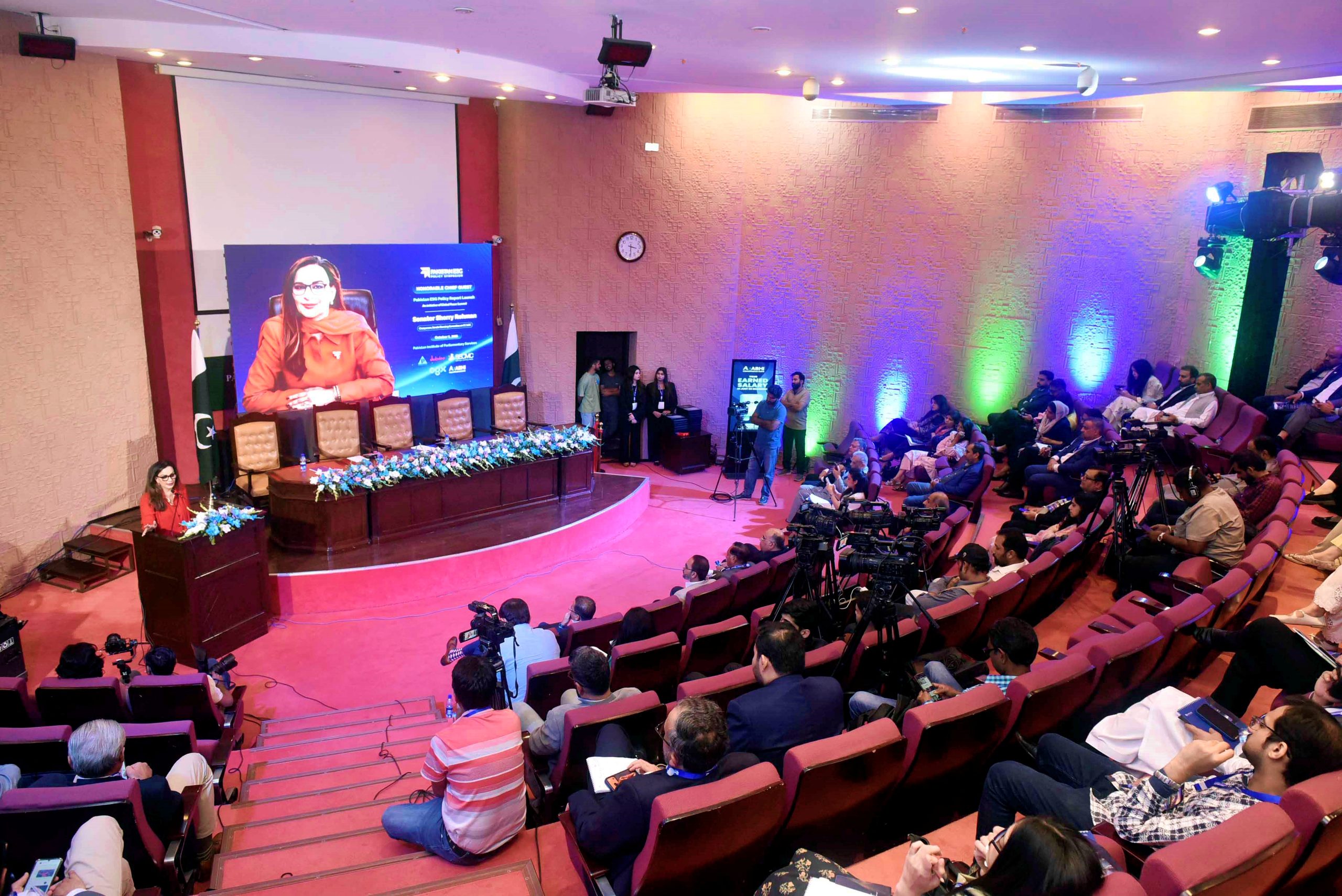
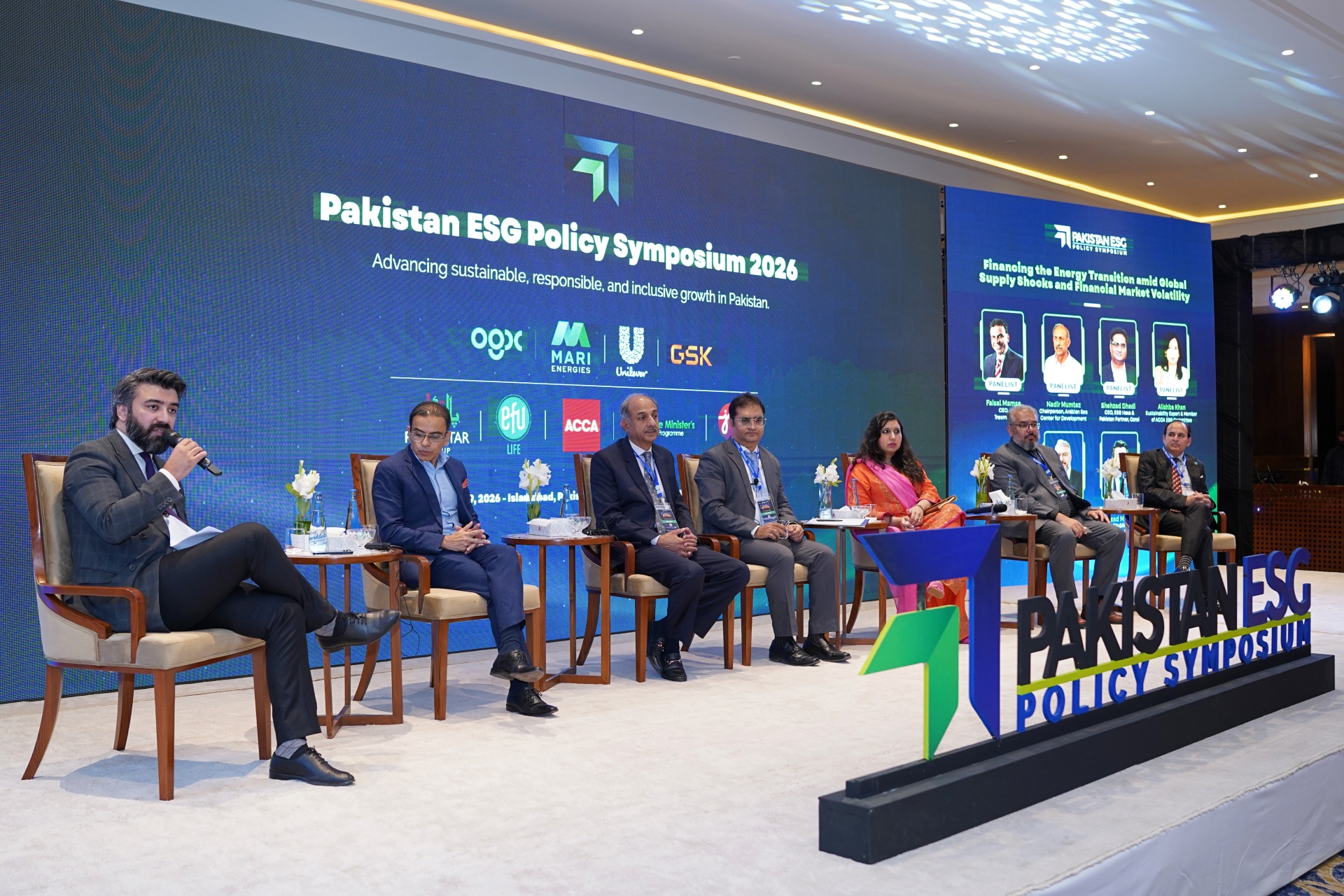
This collaboration is part of a larger, long-term strategy by GPS to promote climate action in Pakistan alongside efficient, accountable, and transparent governance. In line with this vision, GPS is organizing the Pakistan ESG Policy Symposium in Islamabad, bringing together key stakeholders from government, industry, academia, and civil society.
The symposium aims to foster dialogue and collaboration on Environmental, Social, and Governance frameworks, which are increasingly recognized as essential for sustainable development (Source: United Nations Principles for Responsible Investment and World Economic Forum ESG Guidelines). By aligning climate initiatives with governance reforms, GPS seeks to create a holistic approach that addresses both environmental and institutional challenges.
The Road Ahead
The signing of this MoU marks the beginning of a promising journey toward a more sustainable and resilient Pakistan. While the challenges are significant, the combined expertise and commitment of GPS and PCF offer a strong foundation for meaningful progress.
As climate risks continue to escalate, initiatives like these underscore the importance of partnerships, innovation, and community engagement in driving climate action in Pakistan. For Karachi, a city at the frontline of environmental stress, such efforts could prove transformative, paving the way for a cleaner, healthier, and more sustainable future.
In the end, climate action is not just about mitigating risks. It is about reimagining development in a way that is inclusive, responsible, and forward-looking. The GPS and PCF collaboration is a step in that direction, one that holds promise not just for Karachi, but for the entire nation.