
The ESG Summit 2025: Shaping Global ESG Frameworks Through Policy, Innovation, and Cross-Sector Collaboration
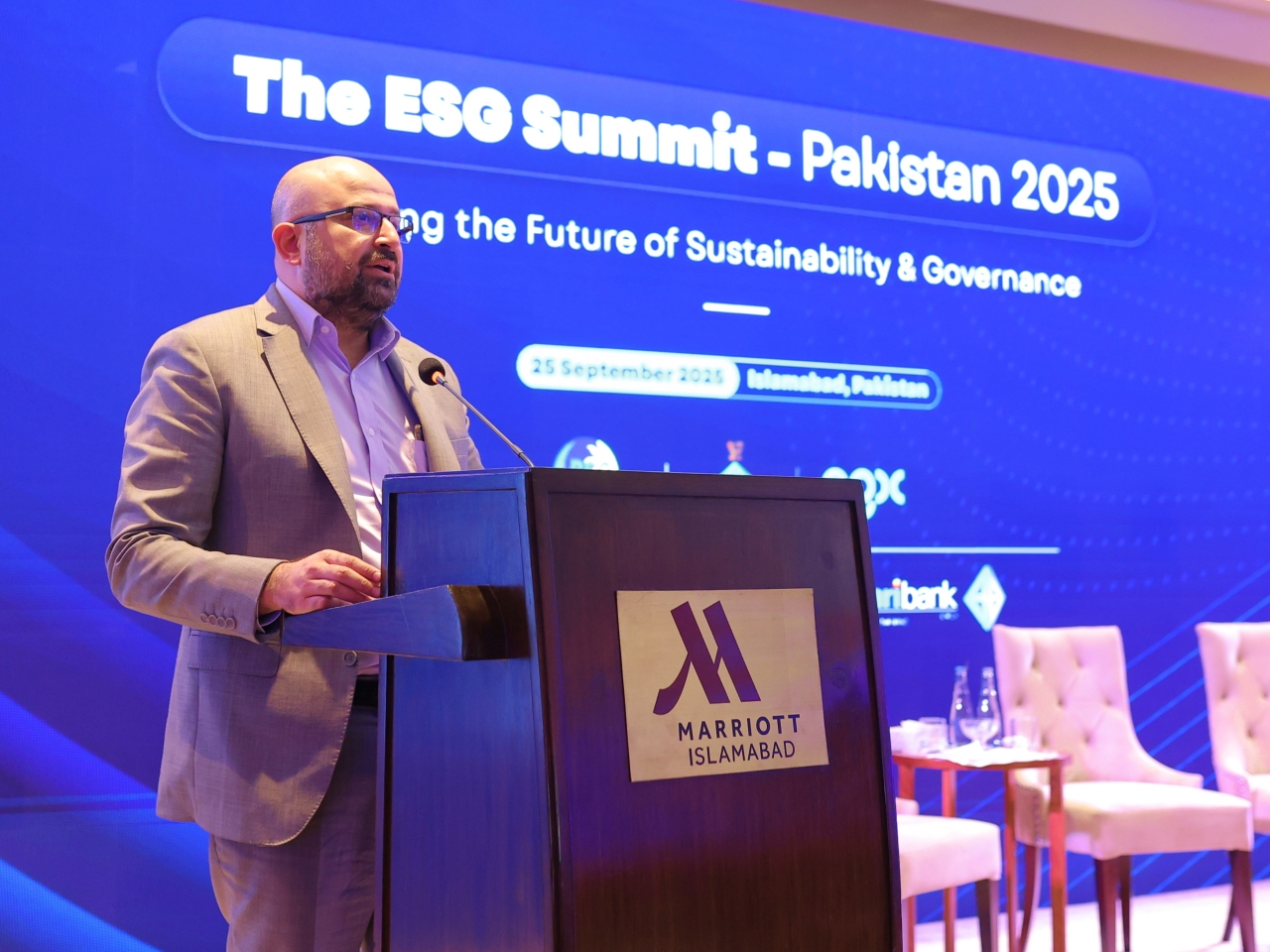
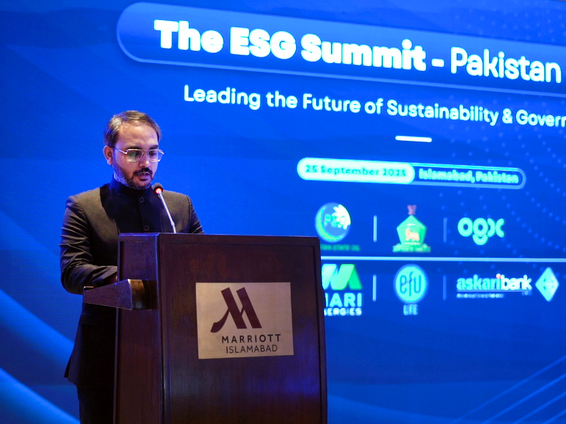
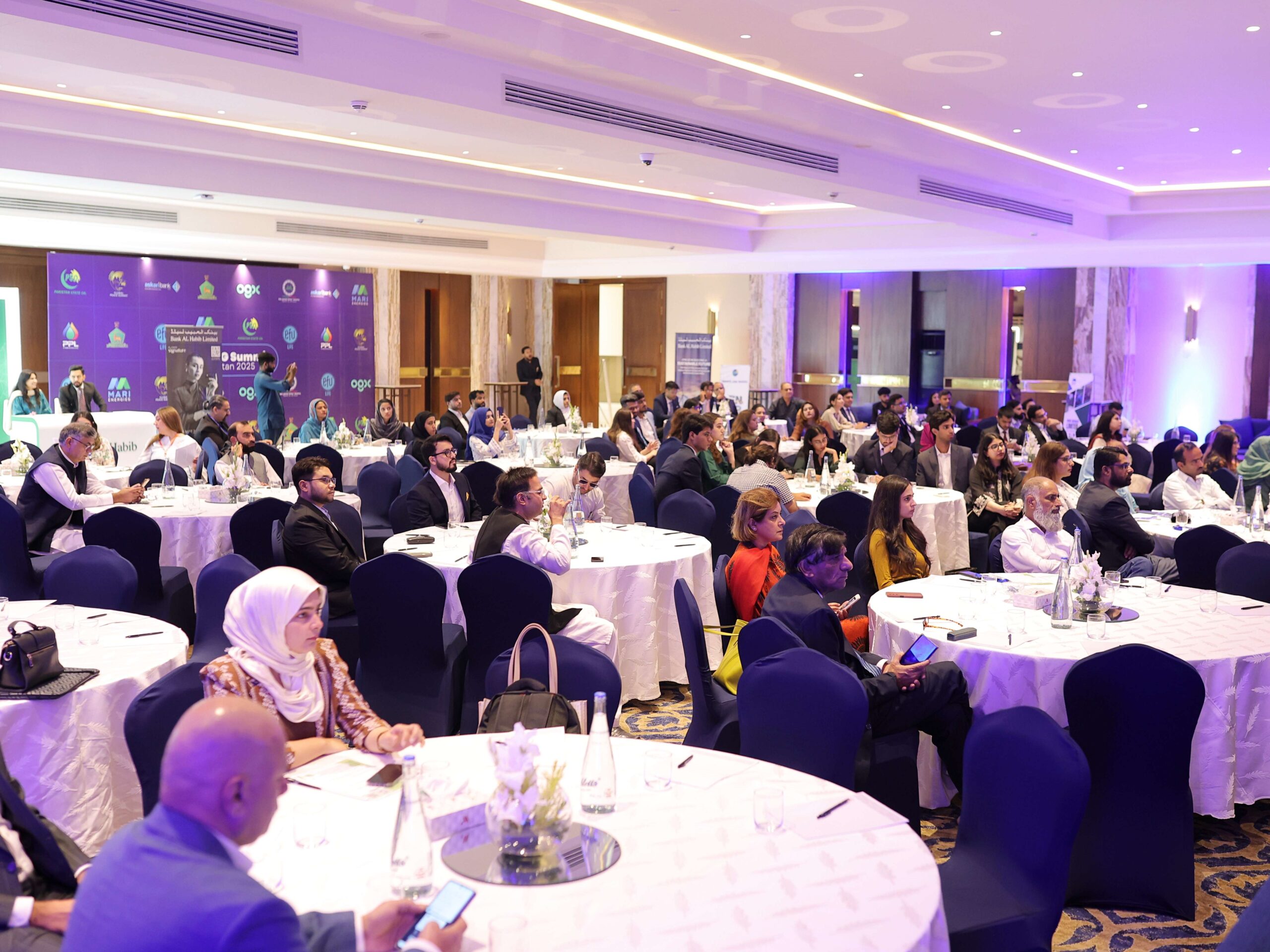
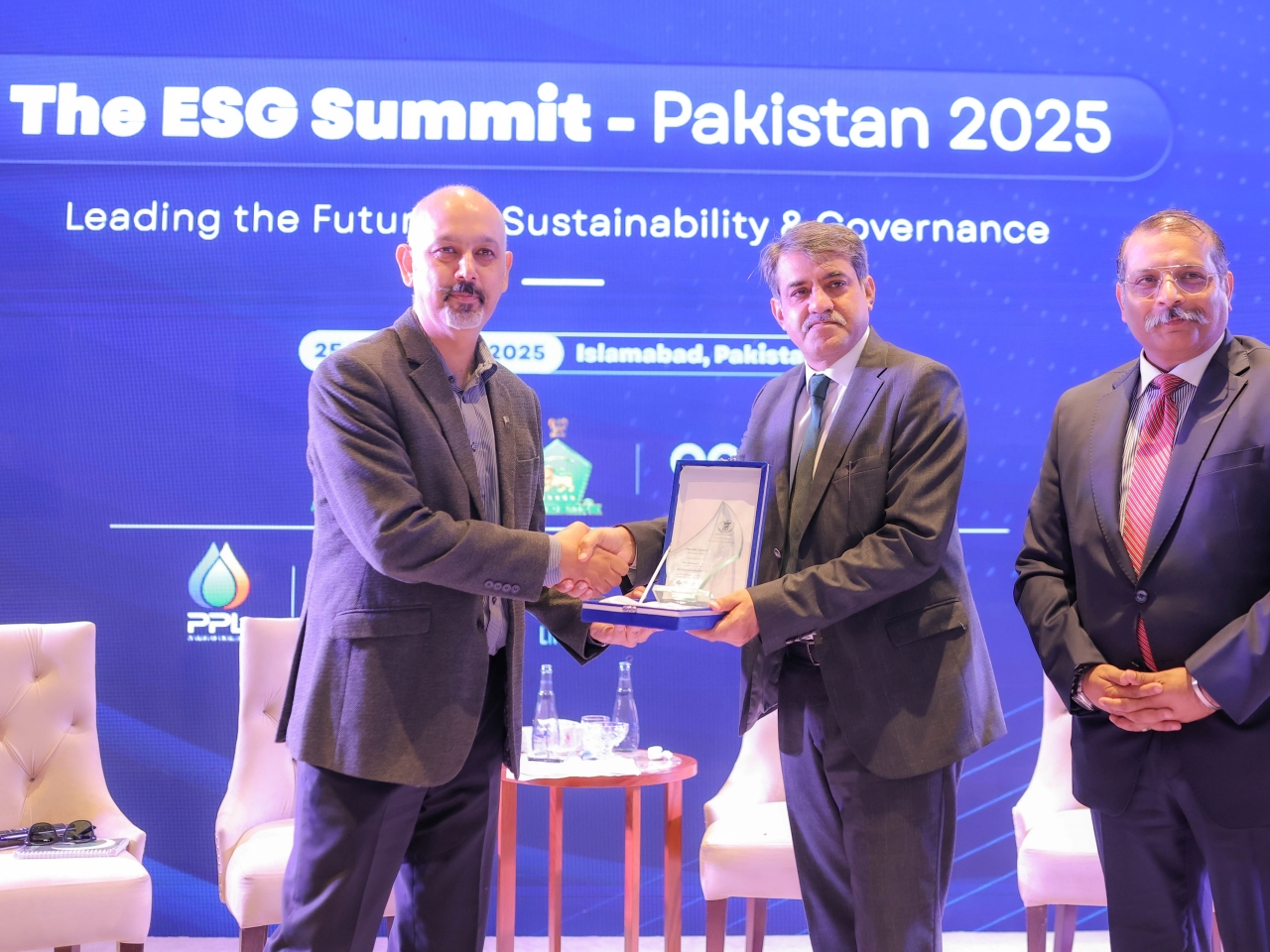
The ESG Summit – Pakistan 2025, an initiative of the Global Peace Summit, brought together an unprecedented coalition of public and private sector stakeholders to advance Pakistan’s environmental, social, and governance (ESG) agenda. The summit convened senior representatives from key regulatory and governmental institutions, including the Securities and Exchange Commission of Pakistan (SECP), the State Bank of Pakistan (SBP), the National Disaster Management Authority (NDMA), the Ministry of Climate Change, and the Ministry of Energy, alongside corporate executives, financial institutions, Shariah scholars, sustainability experts, development practitioners, and civil society leaders. In his opening remarks, Global Peace Summit Founder and Chairman, Mr. Shaikh Mahmud bin Ilyas, emphasized that ESG is no longer a voluntary corporate initiative but a moral, economic, and regulatory imperative essential for Pakistan’s sustainable development and global competitiveness.
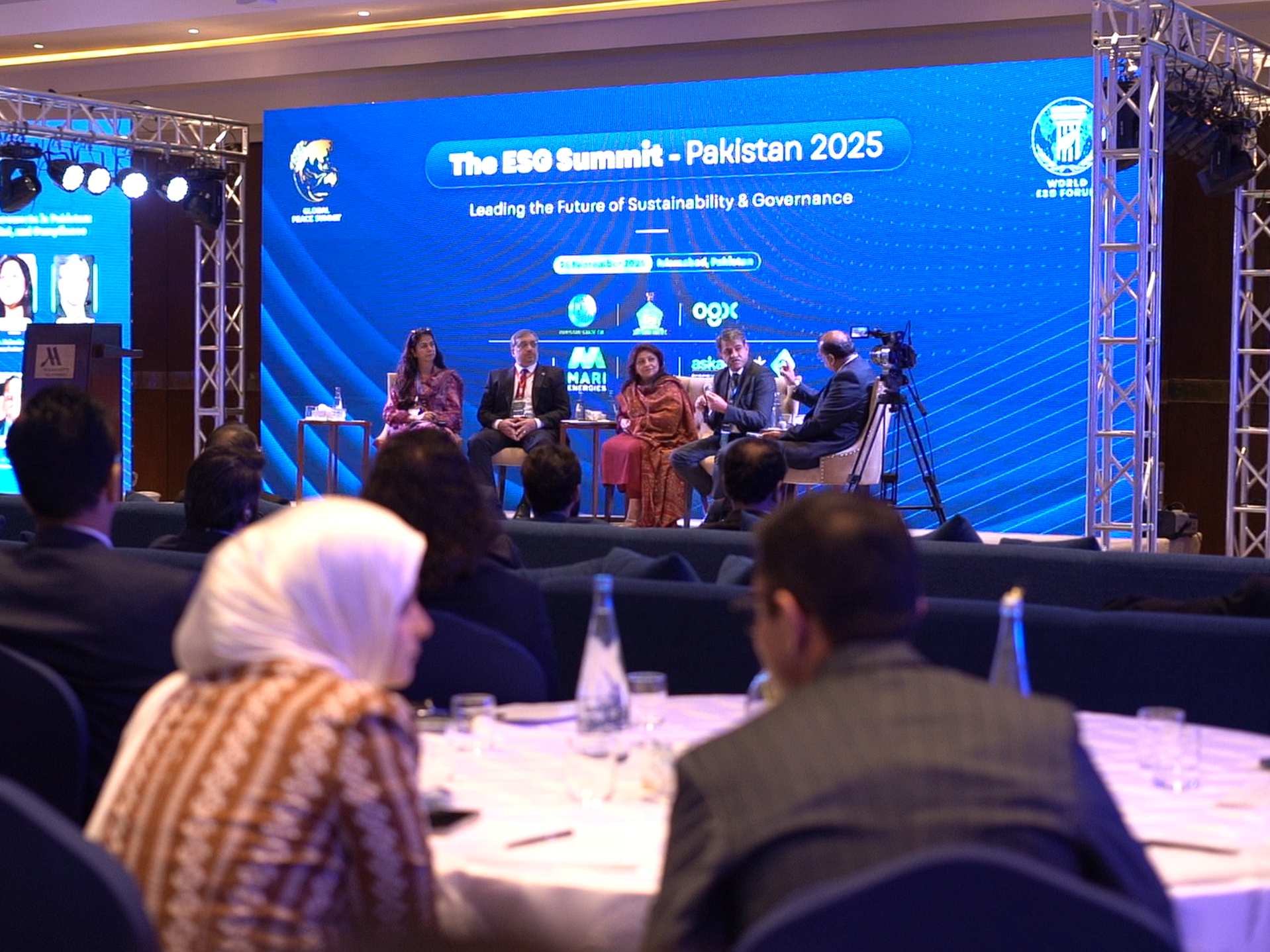
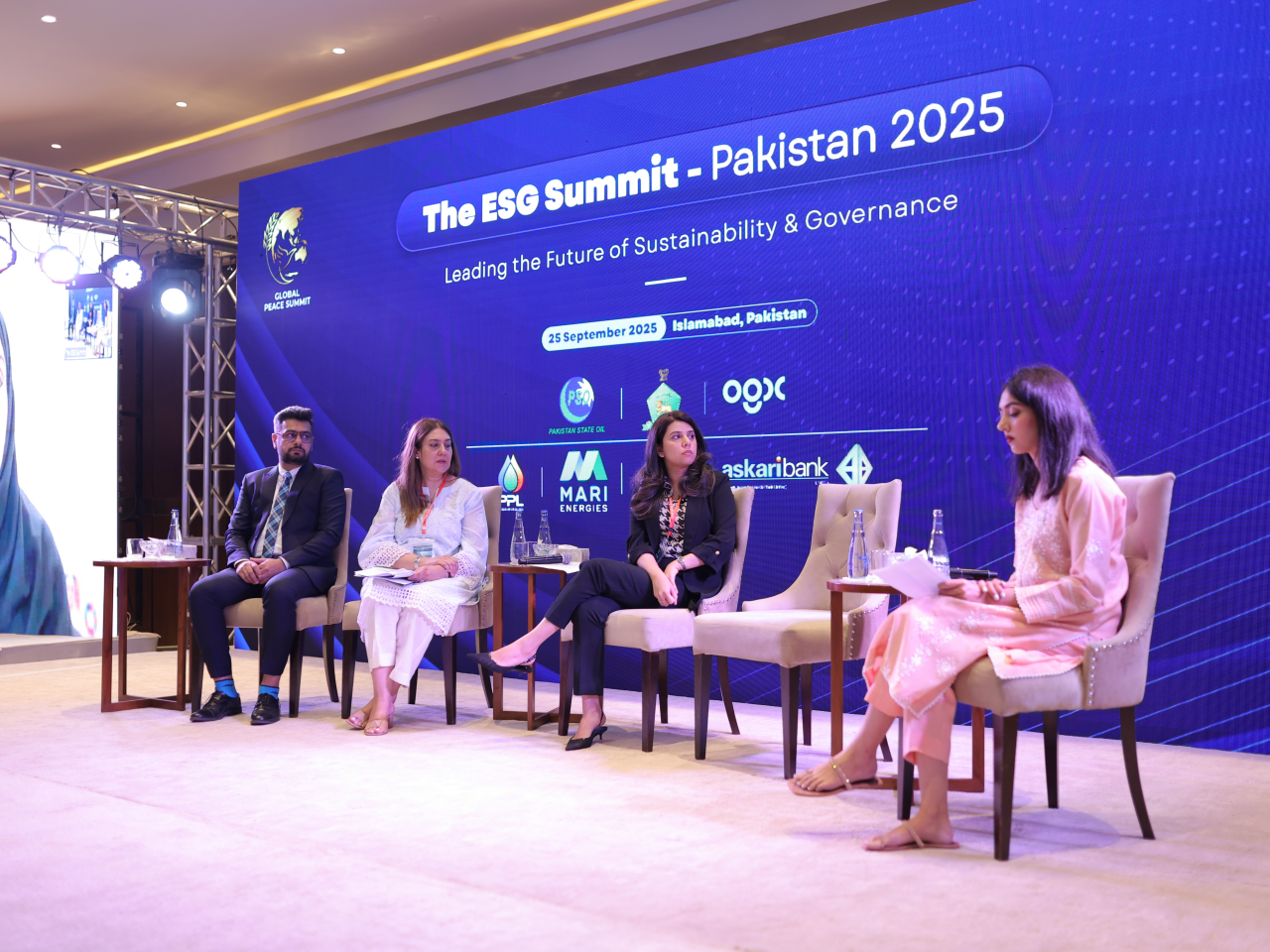
The summit featured a series of high-level panel discussions and keynote sessions focused on strengthening ESG governance, climate resilience, sustainable finance, technological innovation, and Shariah-compliant sustainability frameworks. The Taxonomy and Governance Panel produced significant policy recommendations, including the proposal for a national ESG taxonomy to standardize disclosures and sustainability classifications across sectors. Discussions also highlighted the importance of supervisory frameworks, green finance incentives, corporate capacity building, audit assurance, and transparent reporting mechanisms to enhance investor confidence and accountability. The Climate Action track examined practical pathways for decarbonization, climate-risk integration, workforce transition planning, blended finance mechanisms, and community resilience strategies, reinforcing the need for measurable and results-driven climate initiatives across industries.
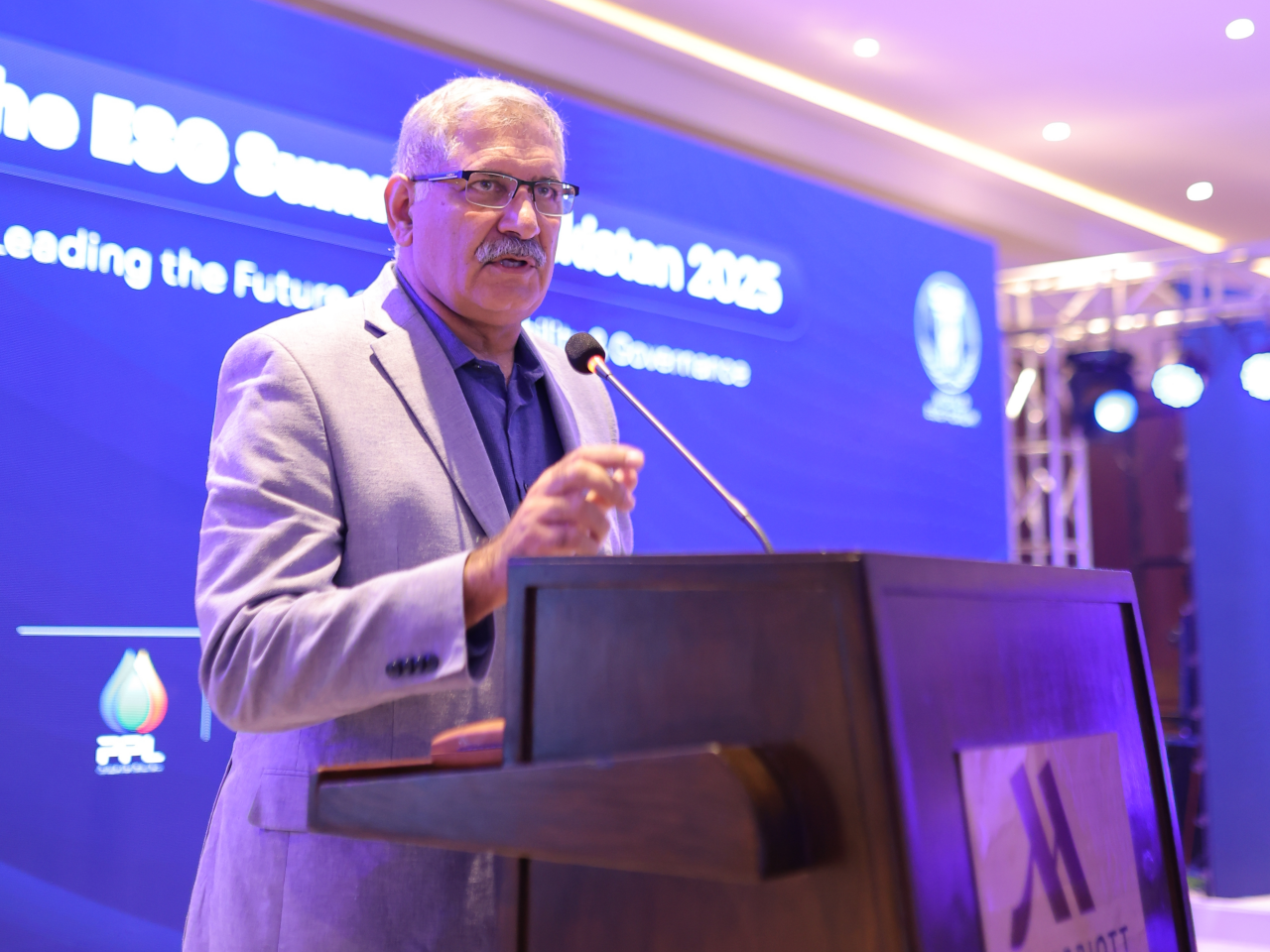
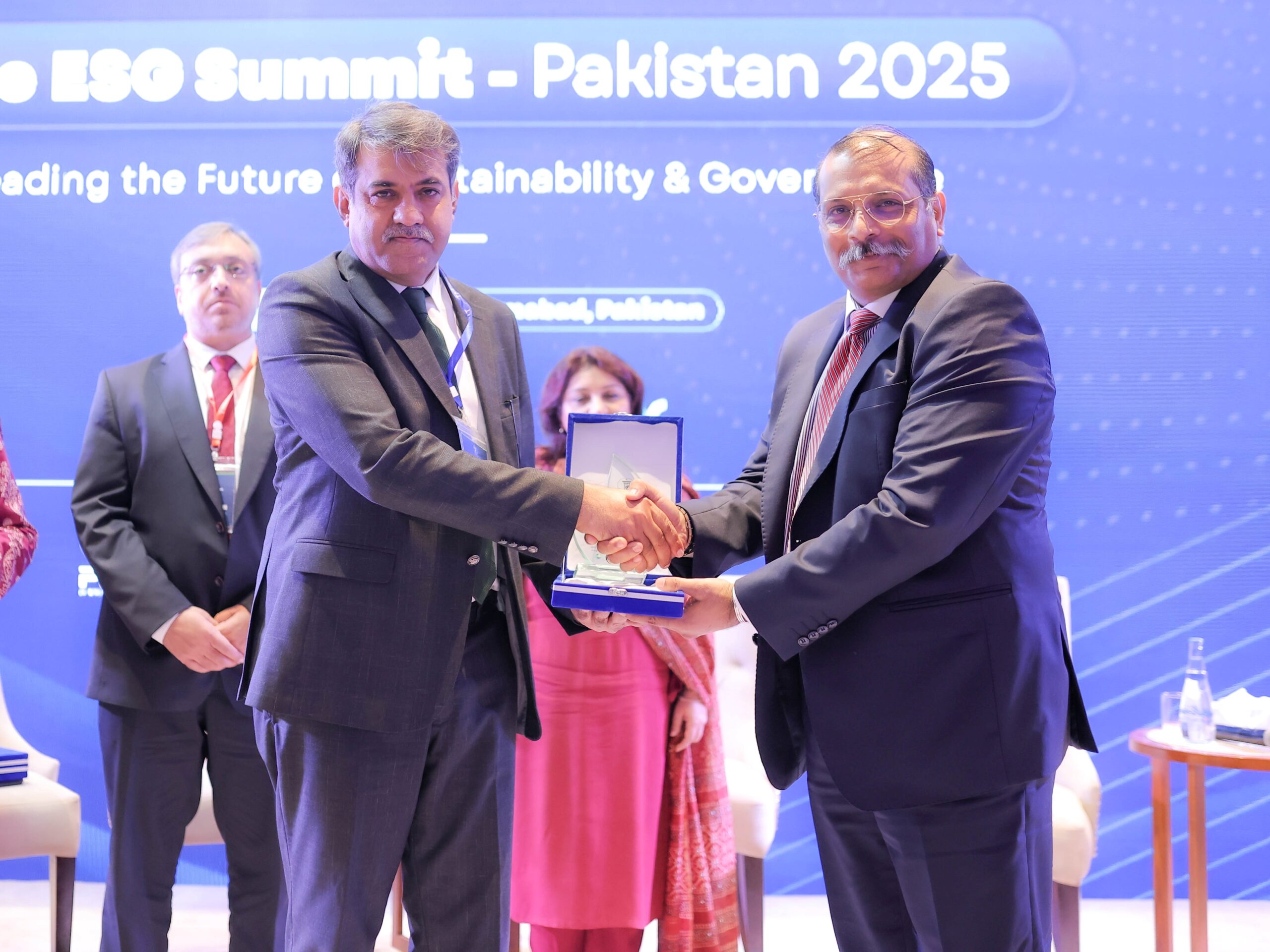
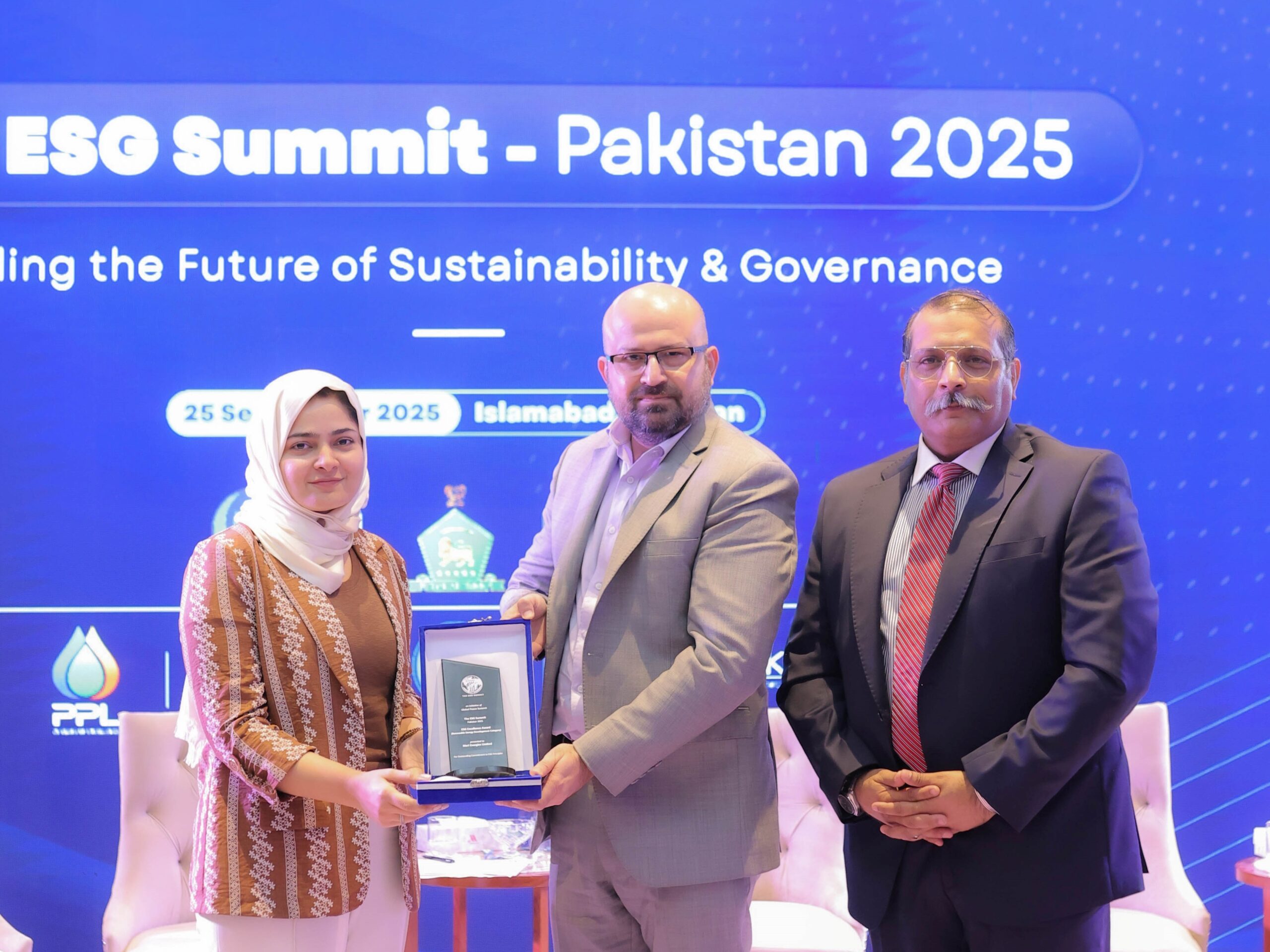
A dedicated session on Shariah-Compliant ESG explored the integration of Islamic finance principles with modern sustainability objectives, with participants advocating for faith-based ESG indices, standardized governance frameworks, and innovative takaful products to support responsible investment. The summit also examined the transformative role of technology in ESG implementation, highlighting advancements in real-time sustainability monitoring, digitized reporting systems, independent assurance mechanisms, and blockchain-enabled supply chain transparency. Keynote addresses from senior regulatory and industry leaders provided valuable insights into implementation challenges, policy feasibility, and the future direction of ESG regulation in Pakistan. The summit concluded with a collective call to move beyond commitments toward measurable action, stronger public-private collaboration, and evidence-based policymaking. As a key outcome, a comprehensive policy paper and summit report will be submitted to regulators and relevant ministries, accompanied by technical assistance initiatives aimed at operationalizing ESG taxonomy frameworks, disclosure standards, and sustainable finance mechanisms across Pakistan’s economic landscape.
Governance for Tomorrow



Voice Your Opinion
Know about Global Issues
Know GPS Rules of Procedure
Write to Us Personally